

Join 1,000s who are saving up to 90% on home energy bills after installing solar panels.
Request a callback from our energy saving experts today!
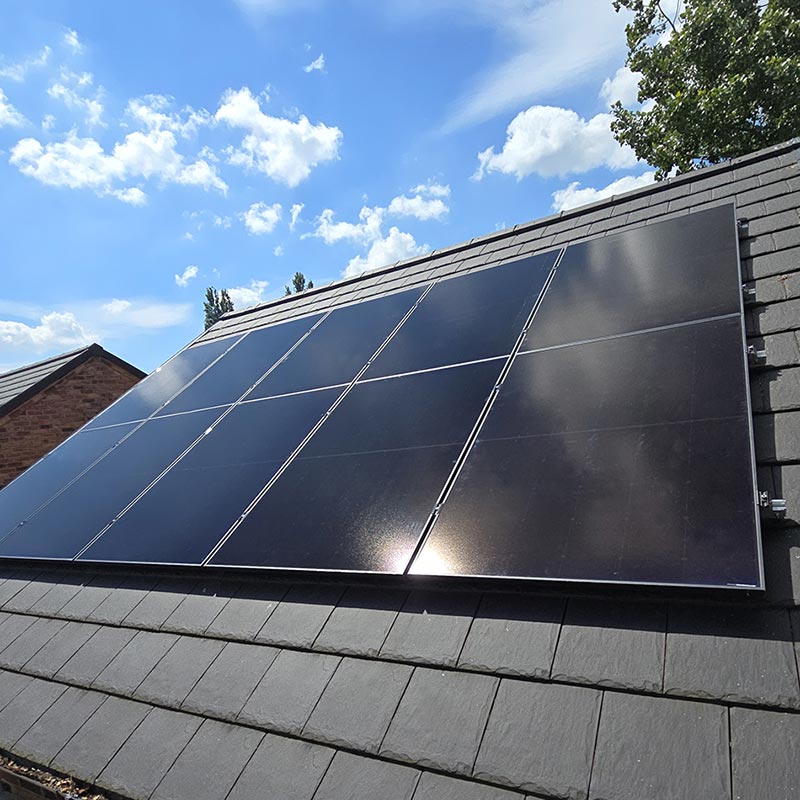
Things to consider before installing solar panels
The first question we are normally asked is ‘do they work on homes in the UK as we don’t get much sun?’ The answer is yes, solar panels do work on cloudy days. The stronger the sunshine the more electricity is produced, but even on overcast days they can still generate electricity.
- The position of your roof
- Your home and roof needs to be free from structural issues
- Added battery storage options
- Opting in for SEG payments
How do solar PV panels work?
Solar photovoltaic (PV) panels are made up using photovoltaic cells that capture solar radiation (energy) from the sun and covert it into electricity. The cells are set between semi-conducting materials, usually silicon. When light shines on the material it becomes energised and creates a flow of electricity. The solar cells don’t need direct sunlight to generate electricity as they react to visible light allowing them to work even on cloudy days.
The electricity must then pass through an inverter to make it suitable for use in the home. The solar cells initially generate a DC current (direct current) which must be converted to an AC current (alternating current) before being useable. The inverter is normally positioned inside your home and as close to the solar panels as possible, such as the loft or garage. Micro inverters are also available and tuck beneath each solar panel.
What are the benefits of solar PV panels?
If you’re interested in solar PV panels on your home, but unsure if it’s the right thing for you, here are a few reasons to choose solar panels.
- Renewable energy source
- Reduced energy bills
- Protection against future energy price rises
- Increase the value of your home
- Don’t normally require any planning permission
- Solar panels require very little maintenance
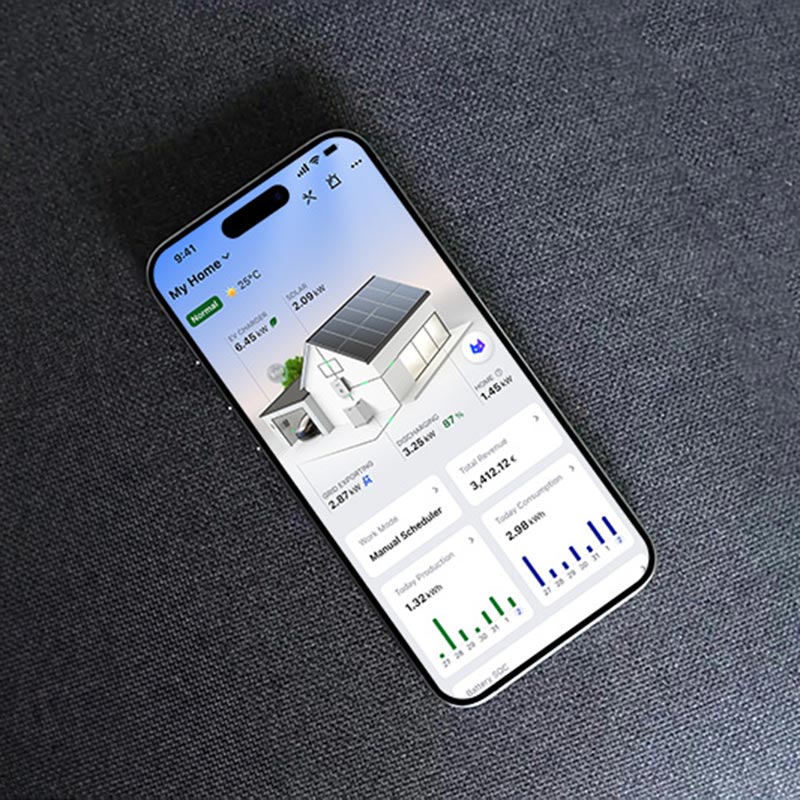
- Store unused energy with battery storage