

An uninsulated loft can lose around 25% of your home’s heat, making it harder to keep your home warm and increasing your energy bills.
Request a callback from our energy saving experts today!
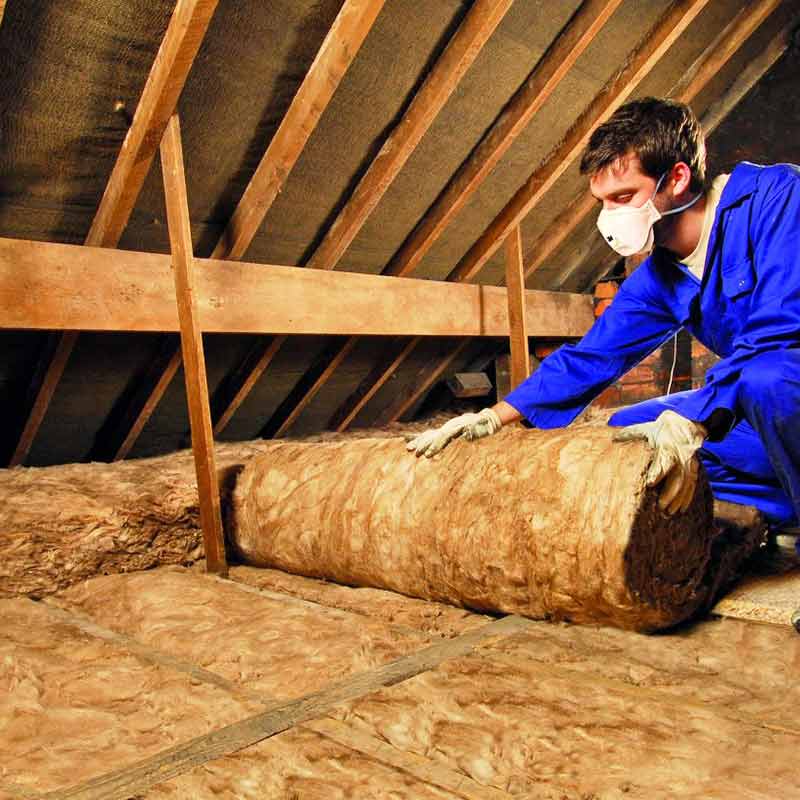
Save on energy bills with loft insulation
If you have an uninsulated loft, fitting insulation is a great way to improve heat retention and save money on energy bills. Insulating a loft with 270mm of loft insulation could save up to £380 on energy bills per year. Loft insulation when fitted correctly, will pay for itself many times over its lifetime. Even if you already have loft insulation, you may need a top-up as the recommended depth for loft insulation is 270mm.
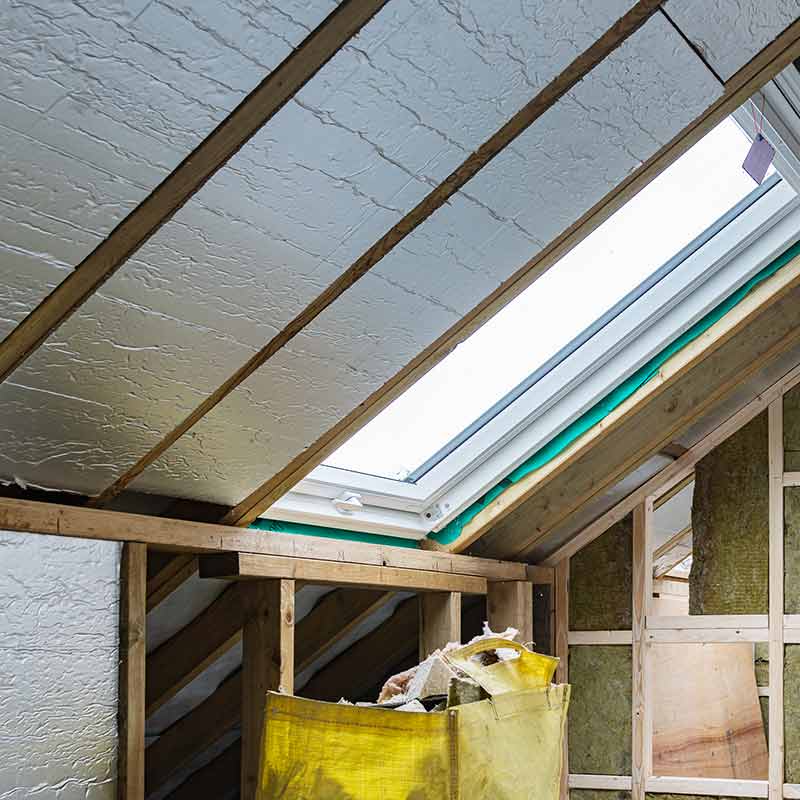
Loft insulation is a barrier of material installed between the joists that can last more than 40 years. Insulating between joists keeps your home’s living space warm and the loft cold. If you plan on using your loft as a storage space, insulating between the rafters is a better option. Loft insulation reduces your bills, improves your home’s energy efficiency rating, and increases your home’s value if you come to sell.
Types of loft insulation
Blanket insulation – comes in rolls of rock, glass, mineral fibre, or foil and is laid between the flooring joists. It’s usually the cheaper option as it’s quick to install
Sheet insulation – these solid boards made of either synthetic or natural materials. Compared to blanket insulation, sheet insulation is more expensive.
Blown-fibre insulation – this is installed by blowing loose materials between joists, usually cellulose or mineral wool.
There are also several different types of loft insulation materials including:
- Fibreglass
- Mineral wool
- Sheep’s wool
- Cellulose
- Polystyrene or PIR rigid foam boards
- Spray foam
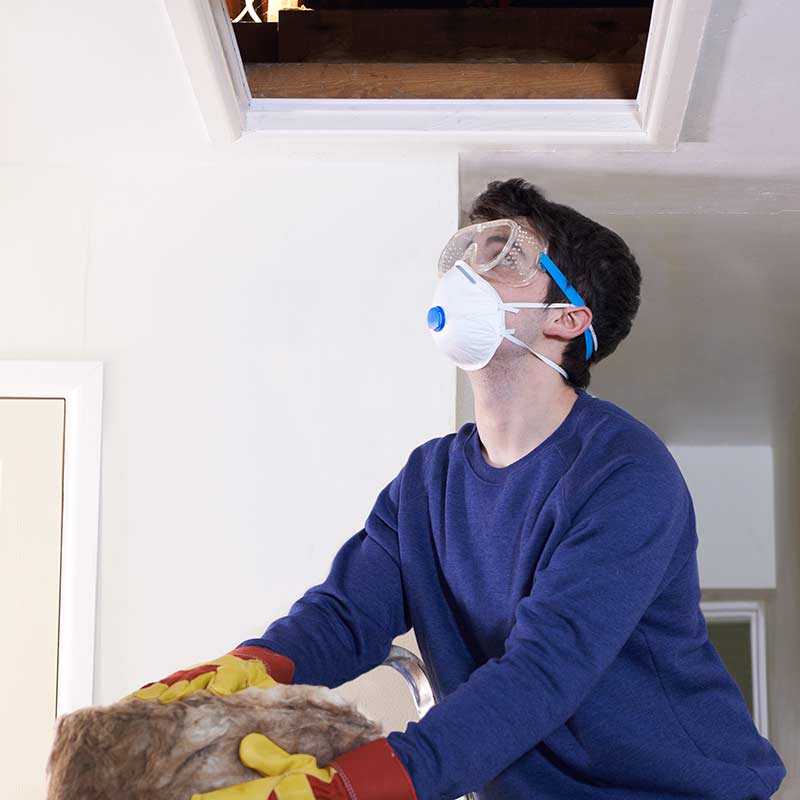
What are the benefits of loft insulation?
Adding loft insulation to your home will improve its energy-efficiency. This will help improve your home’s comfort, lower heating bills, reduce your carbon footprint and help improve your EPC rating.
Current regulations for loft insulation in the UK recommend 270mm thickness of loft insulation. This is a minimum suggestion, some homes may require more, but a loft installer will help determine the thickness needed and the best type of loft insulation for your home.
When installed correctly, loft insulation can lost for over 40 years, and should pay for itself many times over.