

Air source heat pumps are changing how we heat our homes in the UK. They’re popular in Norway and Sweden but are the disadvantages of heat pumps really true?
Without fully understanding heat pump technology, several assume there are many air source heat pump disadvantages. Let’s talk about some concerns people have about installing heat pumps and why they are often seen as a disadvantage for UK homeowners.
What are the disadvantages of air source heat pumps?
If you’re interested in saying goodbye to gas but want to find out if the disadvantages of air source heat pumps are true, you’re in the right place.
We’ll be talking through these points:
- Cost of air source heat pumps
- Heat pumps in cold weather
- Noise of heat pumps
- Space required for heat pumps
- How warm do heat pumps keep a home
Air source heat pumps are expensive
One of the biggest air source heat pump disadvantages is installation cost. Though prices are gradually decreasing, the upfront investment required to install a heat pump is significant compared to a gas boiler. The installation process can also be complex, requiring technical expertise or modifications including new radiators or insulation.
You don’t need to let the upfront cost of an air source heat pump put you off though. Under the Boiler Upgrade Scheme, you can get a grant for £7,500 towards the installation cost. This covers up to 75% of the total cost of installation. The Boiler Upgrade Scheme is available to homeowners in England and Wales. For homeowners in Scotland, there’s a similar scheme under Home Energy Scotland. The Home Energy Scotland grant is between £7,500 – £9,000 with an additional loan available.
Heat pumps don’t work in cold weather
Air source heat pumps extract heat from outdoor air, meaning their efficiency can be affected by variations in weather conditions. In the UK, the difference in outdoor temperature between summer and winter can be drastic. This means that during the colder months, when the heating demand is at its highest, the performance of a heat pump may decline. This can result in reduced efficiency and slightly increased running costs.
However, heat pumps are still four times more efficient than gas boilers in winter. And, yes they DO work in temperatures as low as -20, or lower. Without going all too scientific, heat is still in the air at sub-zero temperatures and is measured in a temperature known as Kelvin. Countries such as Norway and Sweden have adopted heat pump systems for years. Their climate is much colder than the UK’s during the winter months. Many residents in these countries have never seen a gas boiler.
Air source heat pumps are noisy
Another disadvantage often associated with air source heat pumps is the noise they generate during operation. The noise level differs between different models and manufacturers as with any electrical appliance in your home. But heat pumps are much quieter than you think!
Yes, older, bulkier heat pumps tend to be noisier, but modern heat pumps are generally no louder than your freezer or boiler. As they’re also installed outdoors, you won’t hear the noise when indoors. Even with your windows open, noise is unlikely to be heard and will be very minimal when in operation. Certain measures, such as installing soundproof enclosures or locating the unit away from bedrooms and living spaces, can help soften noise concerns.
Too much space is required for air source heat pumps
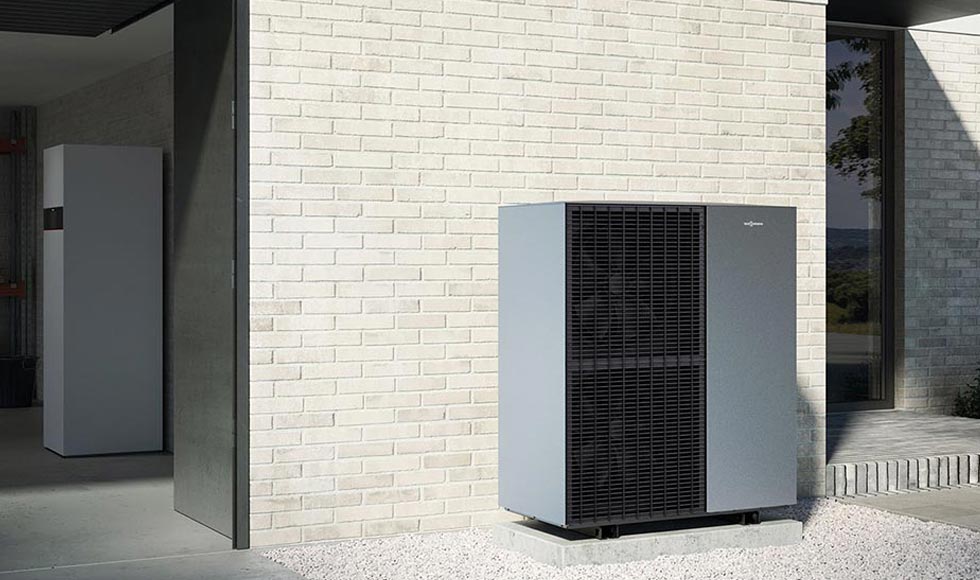
Air source heat pumps require an outdoor unit to extract heat from the air, meaning they need sufficient exterior space for installation. Finding a suitable location can be challenging in densely populated areas.
With technological advancements, heat pumps are getting smaller. When there’s not enough ground space for an air source heat pump, they can be wall-mounted instead, and even positioned on flat roof properties or extensions.
Heat pumps don’t keep homes warm enough
The design of an air source heat pump means it’s best suited for low-temperature heating systems, such as underfloor heating or low-temperature radiators. Many homes may need new radiators or insulation improvements before a heat pump is installed which can be costly and disruptive, making them less favourable than other heating options.
Though it’s common for some radiators to be replaced with a heat pump for an efficient system, it’s an easy job for any heat pump installer who knows their stuff. Professional heat pump installers will always design a system that works for your home, provides accurate heat calculations, and give recommendations that may need to be applied beforehand.
Heat pumps are designed to keep your room at a constant temperature with fewer fluctuations than a gas boiler. When designed right and set up to your desired temperature you’ll have a constant temperature that is comfortable for all. It’s best to leave a heat pump always running, that means no turning the heating up and down or on and off. Adjusting settings all the time will make the heat pump work harder, increase running costs and mean it takes longer to feel the benefit of the heat.
Should I get an air source heat pump?
Despite some of the air source heat pump disadvantages you hear about, most are myths or based on misinformation. Air source heat pumps do have pros and cons like any heating system, but benefits including reduced carbon emissions, savings on heating bills, and eligibility for government incentives such as the Boiler Upgrade Scheme, far outweigh the cons.
Each homeowner’s circumstances and requirements are unique. Always consult with an MCS heating professional who will ensure that your property has a thorough survey to decide whether an air source heat pump is the right choice.
Want to know more about air source heat pumps, contact our team today.