

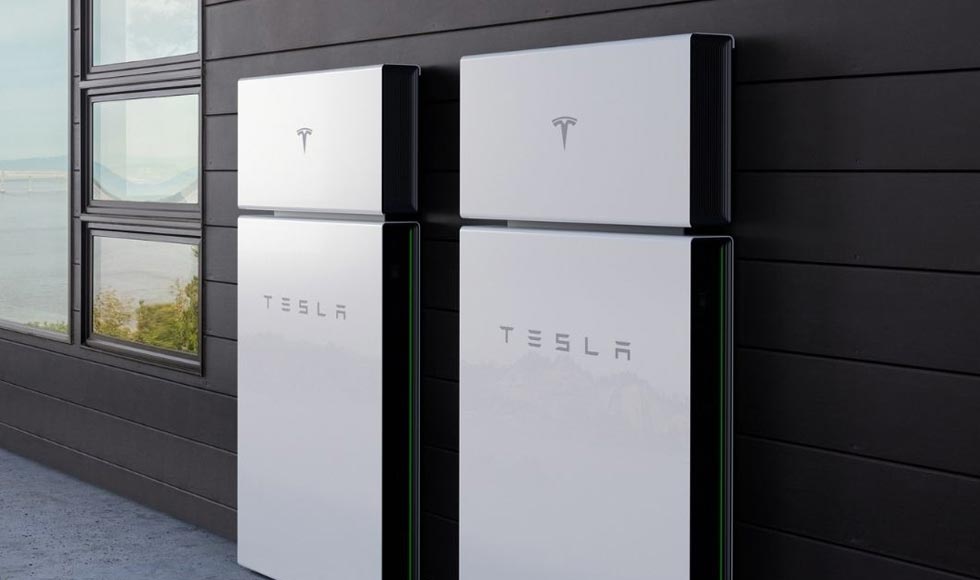
Solar panels are not an option for every property. Here, we explain how installing a battery-only system could help UK households reduce their electricity bills.
Some homes have heavily shaded roofs, while others face unsuitable directions or are subject to planning restrictions. Apartment dwellers, tenants, and leaseholders may face additional barriers, and many households simply aren’t ready to invest in a complete solar-plus-battery installation.
That leads many people to ask whether a battery can still provide savings without any solar generation attached. In some cases, the answer is yes.
Although a standalone battery cannot produce electricity, it can store energy purchased from the grid when prices are low and supply that electricity later when rates increase. For households on suitable tariffs, this can reduce reliance on expensive peak-time electricity and help lower overall energy costs.
However, the economics differ significantly from a solar-powered system. Without solar panels generating free electricity, any savings depend almost entirely on the difference between cheaper and more expensive tariff periods.
Can a battery be installed without solar panels?
Absolutely.
A domestic battery system can operate independently of solar panels by charging directly from the electricity grid. Instead of storing surplus solar generation, it stores lower-cost grid electricity for later use.
The concept is straightforward. During periods when electricity prices are lower, often overnight, the battery charges. When rates rise later in the day, the stored electricity can power household appliances instead of drawing energy from the grid.
This approach can be particularly beneficial for households that consume most of their electricity during evenings, when demand and electricity prices are often at their highest.
Daily routines generally don’t need to change. Whether you’re cooking dinner, running appliances, watching television, or charging devices, the key difference is that some of the electricity being used was purchased earlier at a lower price.
How does a battery-only system reduce costs?
The main mechanism behind the savings is known as load shifting.
Many modern energy tariffs charge different rates throughout the day. Electricity is often cheaper during periods of lower demand and more expensive during peak hours.
A battery allows homeowners to buy electricity during those cheaper periods and use it later when rates increase.
For example, if overnight electricity costs substantially less than evening electricity, the battery can charge while the household is asleep and discharge during the evening peak. Every unit of energy shifted from a low-cost period to a high-cost period represents a potential saving.
The amount saved depends on several factors, including:
- The difference between peak and off-peak rates
- Battery capacity
- Household electricity consumption
- System efficiency
- How frequently the battery is cycled
The wider the gap between low and high tariff rates, the greater the potential benefit.
Which households are most likely to benefit?
A battery without solar is not automatically suitable for every home.
The strongest financial case usually exists when a household:
- Has access to a time-of-use or smart tariff
- Uses a significant amount of electricity during peak-rate periods
- Consumes enough energy to regularly charge and discharge the battery
- Wants greater control over electricity costs despite being unable to install solar panels
Properties with electric vehicle chargers, heat pumps, electric water heating systems, induction cooking, or high evening electricity demand may have greater opportunities to benefit from energy shifting.
Standalone batteries may also appeal to apartment owners, leaseholders, renters with permission to install equipment, or homeowners whose roofs are unsuitable for solar installations.
Conversely, the financial case may be weaker for households with very low electricity consumption, minimal peak-time usage, or tariffs that offer little variation between day and night rates.
Rather than focusing solely on battery size, homeowners should consider how much electricity can realistically be shifted each day.
How much money could be saved?
There is no universal figure because savings vary widely according to individual circumstances.
Unlike solar-plus-storage systems, which can store self-generated electricity, battery-only installations rely entirely on tariff differences. As a result, potential savings are typically lower.
Some households may achieve noticeable reductions in electricity costs if they consistently charge during low-price periods and avoid purchasing power during expensive periods. However, actual savings depend on battery capacity, electricity consumption patterns, tariff structures, and energy prices.
A useful way to estimate potential savings is to examine three key variables:
- How much electricity can be stored during low-cost periods.
- How much of that stored energy can be used during expensive periods.
- The difference between the low and high electricity rates.
The more energy a household can shift each day, the greater the opportunity for meaningful savings.
Why tariff structure matters so much
For battery-only systems, the tariff is often the most important factor in determining financial returns.
With solar panels, homeowners gain value from generating their own electricity. Without solar generation, the battery’s value comes almost entirely from taking advantage of pricing differences within the tariff.
If the gap between cheap and expensive electricity periods is substantial, savings potential increases. If that gap narrows, the economics become less attractive.
This is why homeowners should be cautious when basing calculations solely on current tariffs. Energy suppliers can alter pricing structures, and future tariff changes may affect projected savings.
Before investing, it is worth considering questions such as:
- How long is the tariff guaranteed?
- Could off-peak discounts become less generous?
- Would the battery still be financially worthwhile if price differences narrowed?
- How might future changes in household energy usage affect the calculation?
In many cases, the tariff itself plays a larger role in generating savings than the battery hardware.
Is a special tariff required?
While a battery can technically operate on almost any electricity tariff, the strongest financial benefits generally come from time-of-use tariffs.
On a standard flat-rate tariff, charging and discharging a battery may offer limited financial advantage because electricity costs the same regardless of when it is used.
Time-of-use tariffs create opportunities for savings by offering lower prices during selected periods and higher prices during others.
Many energy suppliers now offer specialist smart tariffs designed for homes with technologies such as electric vehicles, heat pumps, solar systems, and battery storage.
Automation can also improve performance. Fixed time-of-use tariffs are relatively simple to programme, allowing batteries to charge automatically during designated low-cost hours.
Dynamic tariffs are more complex because electricity prices can change daily or even hourly. In these situations, smart software can help optimise charging and discharging schedules by responding to real-time pricing signals.
For homeowners who prefer a hands-off approach, battery systems with advanced automation and intelligent controls can provide greater convenience.
Choosing the right battery size
Larger batteries can store more energy, but the biggest option is not always the most cost-effective.
The ideal battery size depends on:
- Daily electricity consumption
- Timing of energy usage
- Available off-peak charging windows
- Household appliances and heating systems
Smaller batteries may be sufficient for everyday loads such as lighting, entertainment systems, internet equipment, and cooking.
Larger batteries may be better suited to homes with heat pumps, electric water heating, tumble dryers, EV charging, or high evening electricity demand.
One of the best ways to estimate the appropriate size is to review smart meter data. Understanding how much electricity is consumed during peak-price periods can help determine how much storage capacity would actually be useful.
An undersized battery may not provide significant savings, while an oversized system could increase costs without delivering proportional benefits.
Is a standalone battery worth considering?
A home battery can reduce electricity costs without solar panels, but the outcome depends heavily on household circumstances.
The greatest benefits tend to be seen in homes that:
- Have significant peak-time electricity consumption
- Can access favourable smart or off-peak tariffs
- Use enough electricity to cycle the battery regularly
- Are unable to install solar panels but still want greater control over energy costs
Ultimately, a battery-only installation should be viewed primarily as a tariff optimisation tool. The battery itself provides the storage, but the savings are driven by how effectively it allows homeowners to purchase electricity at lower prices and avoid expensive peak-rate energy.
While it won’t generate free electricity in the same way solar panels can, a well-matched battery and tariff combination may still deliver worthwhile savings for the right household.
If you would like to find out more, please contact our friendly solar and battery specialists.