

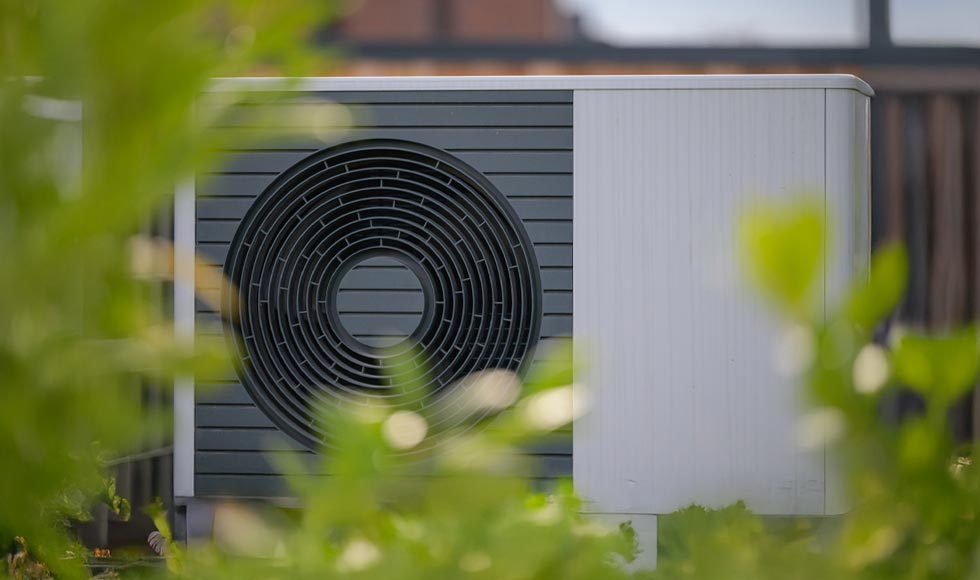
With energy prices remaining a concern for many households, more property owners are exploring low-carbon heating solutions. The Government’s Boiler Upgrade Scheme (BUS) is designed to make that transition more affordable by offering grants towards the installation of heat pumps and other eligible low-carbon heating systems.
What is the Boiler Upgrade Scheme?
The Boiler Upgrade Scheme, or BUS Scheme, is a government-backed grant available to homeowners and small business owners in England and Wales. The scheme helps cover the cost of replacing traditional fossil-fuel heating systems with more environmentally friendly alternatives, such as air source heat pumps and biomass boilers.
The aim is to reduce carbon emissions from heating while helping properties move away from reliance on fossil fuels.
Since launching in 2022, the scheme has supported more than 100,000 applications for low-carbon heating installations across England and Wales.
How much funding can you get?
The amount of funding available depends on the type of heating system being installed.
Standard grant amounts
| Heating system | Grant available |
|---|---|
| Air source heat pump | £7,500 |
| Ground source heat pump | £7,500 |
| Water source heat pump | £7,500 |
| Air-to-air heat pump | £2,500 |
| Biomass boiler | £5,000 |
The grant is deducted directly from the installation quote, meaning homeowners do not receive the money themselves. Instead, the installer applies for the funding on your behalf and reduces the amount you need to pay upfront.
Enhanced £9,000 grants for off-gas properties
In a significant update for 2026, eligible homes and small businesses that currently rely on heating oil or LPG can receive a larger grant of £9,000 when installing an air source or ground source heat pump.
This enhanced funding is available from 21 July 2026 until 31 March 2027 and is intended to support households most affected by rising fossil fuel costs.
For many rural properties, this increase could make the switch to a heat pump considerably more affordable.
Who is eligible?
To qualify for the Boiler Upgrade Scheme, you must:
- Own your home or small business property.
- Be located in England or Wales.
- Currently use a fossil fuel heating system (such as gas, oil or LPG) or electric heating without a heat pump.
- Use an installer certified under the Microgeneration Certification Scheme (MCS).
- Ensure the installer belongs to an approved consumer protection scheme.
Most residential properties fall within the scheme’s installation capacity limits, making eligibility straightforward for the majority of homeowners.
Biomass boiler eligibility
Biomass boiler grants are more restricted. To qualify:
- The property must be in a rural location.
- The property must not be connected to the gas grid.
This is because heat pumps are generally considered the preferred low-carbon solution where practical.
What types of heating systems are supported?
Air source heat pumps
Air source heat pumps are the most popular option under the scheme. They extract heat from the outside air and use it to provide heating and hot water for your home.
Benefits include:
- Lower carbon emissions.
- Reduced reliance on fossil fuels.
- Potential long-term energy savings.
- Compatibility with most modern heating systems.
Ground source heat pumps
Ground source heat pumps collect heat stored in the ground through underground pipes.
They typically offer excellent efficiency but require sufficient outdoor space and higher installation costs, making the government grant particularly valuable.
Water source heat pumps
Where suitable water sources are available, water source heat pumps can provide highly efficient heating while benefiting from the same grant level as ground source systems.
Biomass boilers
Biomass boilers burn renewable materials such as wood pellets or logs to provide heating and hot water. They are primarily intended for rural, off-grid properties.
How do you apply?
One of the advantages of the Boiler Upgrade Scheme is its simplicity.
You don’t apply directly to the government.
Instead:
- Find an MCS-certified installer.
- The installer assesses your eligibility.
- The installer applies for the grant on your behalf.
- The grant value is deducted from your quote before installation begins.
Can you combine BUS with other funding?
In many cases, yes.
Homeowners who have previously received support for other energy efficiency improvements, such as insulation measures through the Energy Company Obligation (ECO), may still be eligible for the Boiler Upgrade Scheme.
However, properties that have already received government funding specifically for a heat pump or biomass boiler are generally not eligible for a second BUS grant.
Is the Boiler Upgrade Scheme available across the UK?
No.
The Boiler Upgrade Scheme is currently only available in England and Wales.
Homeowners in Scotland and Northern Ireland should explore alternative schemes available through their respective national energy-efficiency programmes.
Is the Boiler Upgrade Scheme worth considering?
With grants of up to £7,500, and up to £9,000 for eligible off-gas properties from July 2026, the Boiler Upgrade Scheme represents one of the most generous forms of support available for low-carbon heating upgrades.
For homeowners planning to replace an ageing boiler, the scheme can significantly reduce installation costs while helping future-proof their property against rising fossil fuel prices and evolving environmental regulations.
If you’re considering a heat pump or biomass boiler, speaking to an MCS-certified installer is the best first step towards understanding what funding may be available for your property.
Contact our friendly energy saving team to find out more.