

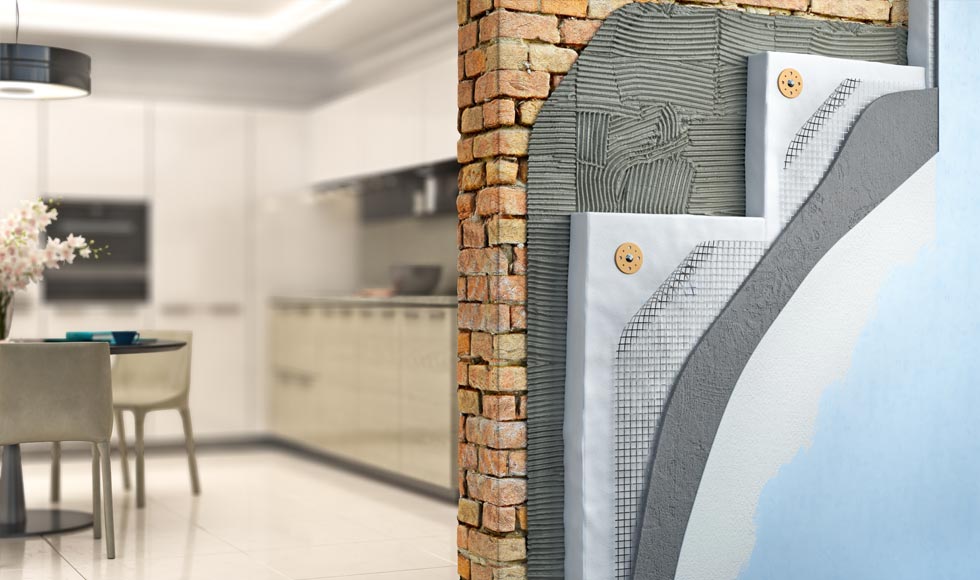
External wall insulation is a popular choice for homes with solid walls, where a layer of insulation is added to the outside of the property. It can help reduce heat loss, improve the energy efficiency of your home and create a warmer, more comfortable living environment. Depending on the property and how much energy is currently used for heating, external wall insulation could also help reduce energy bills.
External wall insulation is an alternative to internal wall insulation and has several benefits that can make it worth considering. If you’re looking for an effective way to improve the thermal performance of a solid-wall property, external wall insulation could be an option for your home.
Benefits of external wall insulation
External wall insulation involves adding a layer of insulation to the outside of your property’s external walls. The insulation is then covered with a protective and decorative finish, such as render.
For homes with suitable solid walls, this can significantly improve the thermal performance of the building by reducing the amount of heat lost through the walls.
External wall insulation has several advantages, including:
- Improved heat retention
- Potential energy bill savings
- Reduced heat loss and fewer cold spots
- Improved acoustic performance
- A refreshed external appearance
- No loss of internal floor space
- Less disruption to the inside of your home
- Protection for the existing external walls
Improved heat retention
One of the main reasons homeowners choose external wall insulation is to reduce heat loss.
Solid walls can account for a significant proportion of the heat lost from an older, poorly insulated property. Adding insulation to the outside of the walls creates an additional thermal layer, helping to reduce heat transfer between the inside and outside of your home.
This means your heating system will not need to work as hard to maintain a comfortable temperature. It can also help reduce temperature fluctuations and make rooms feel warmer and more comfortable.
External wall insulation can be particularly beneficial during the colder UK months when maintaining a consistent indoor temperature is important.
Energy bill savings
Reducing heat loss can also reduce the amount of energy required to heat your home. The amount you could save will depend on several factors, including the size and construction of your property, how well insulated it is already, your heating system, energy prices and how much energy you use. External wall insulation is a long-term improvement to the thermal efficiency of your home.
Reduced cold spots
Cold spots can occur where parts of a wall have a lower temperature than the surrounding areas. They can make rooms feel colder and, depending on the condition and construction of the building, may contribute to condensation problems.
By adding a continuous layer of insulation to the outside of the property, external wall insulation can help improve the temperature of internal wall surfaces and create a more consistent thermal envelope. Correct installation and detailing around windows, doors, corners and other junctions are important to achieve the best possible result.
Noise reduction
External wall insulation can also provide an additional layer between your home and the outside environment. Depending on the construction of the existing wall and the insulation system used, this can help reduce the transmission of some external noise.
This could be particularly useful if your property is close to a busy road, a built-up area or another source of external noise. However, the level of acoustic improvement will vary depending on the existing construction and other parts of the building, such as windows and doors.
Improved appearance
External wall insulation doesn’t just provide thermal benefits. It can also give the outside of your property a completely new appearance. Once the insulation has been installed, the system is finished with a suitable external coating or render. There are different colours and finishes available, allowing you to update the appearance of an older or tired-looking property.
For homeowners already considering external repairs or improvements, combining these works with external wall insulation can provide both practical and aesthetic benefits. You should always check whether planning permission or other approvals are required before making significant changes to the exterior of a property.
No loss of internal floor space
One of the biggest advantages of external wall insulation compared with internal wall insulation is that you don’t have to sacrifice internal floor space. Internal wall insulation is installed to the inside of external walls, meaning the finished wall becomes thicker and some usable floor area is lost.
With external wall insulation, the insulation is added to the outside of the building instead. This means your rooms remain the same size internally, which can be particularly important in smaller homes.
Less disruption inside the home
Because the work is carried out externally, external wall insulation can also mean less disruption to your living space than internal wall insulation. With internal insulation, furniture normally needs to be moved away from walls and fixtures such as skirting boards, sockets and switches may need to be removed or adjusted.
External wall insulation avoids much of this internal disruption. However, it is still a significant building project and will usually involve scaffolding and work around windows, doors, rooflines and other external features.
Protection for external walls
As well as improving thermal performance, an external insulation system can provide an additional layer of protection to the existing external wall. The final render or finish helps protect the system from the weather, although the suitability and condition of the existing walls should always be assessed before installation. External wall insulation can therefore be particularly useful when an older property is already in need of external repairs or refurbishment.
How much money will I save with external wall insulation?
The amount you could save on your energy bills will depend on your property and how much energy you currently use. Energy Saving Trust provides guidance and estimates on the potential savings from insulation and other energy-efficiency improvements. However, figures can change as energy prices change, and the actual savings achieved by an individual household may be higher or lower than an estimated figure.
If you’re considering external wall insulation, a professional assessment of your property can help you understand what improvements could be made and what you might expect from the installation.
How much does external wall insulation cost?
External wall insulation requires an initial investment, and the total cost will depend on the size of your property, the condition of the existing walls, the insulation system and finish selected, access requirements and any additional work required.
Although the upfront cost is higher than internal or cavity wall insulation, improving the thermal performance of your home can provide benefits over many years through improved comfort and potentially lower energy consumption. It’s also worth considering whether you may qualify for financial support towards energy-efficiency improvements.
Why choose external wall insulation?
External wall insulation can be an effective way to improve the thermal performance of a suitable solid-wall property.
It can help reduce heat loss, improve comfort, retain internal floor space and give the exterior of your home a fresh new appearance. For homeowners who want to improve their property’s energy efficiency without losing space inside their rooms, it can be an attractive alternative to internal wall insulation.
However, external wall insulation isn’t suitable for every property. The construction and condition of the walls, the property’s location and exposure, existing damp or moisture issues and the desired finish should all be considered before work begins.
Could you get funded external wall insulation?
Depending on your circumstances and the property you live in, you may be eligible for funding towards insulation through government-backed schemes such as the Warm Homes Plan.
Eligibility criteria apply and funding isn’t available to everyone, so it’s important to check whether you qualify before assuming that your installation will be funded. If you’re interested in improving the energy efficiency of your home, contact our friendly team who can help you understand your options and whether external wall insulation could be suitable for your property.