

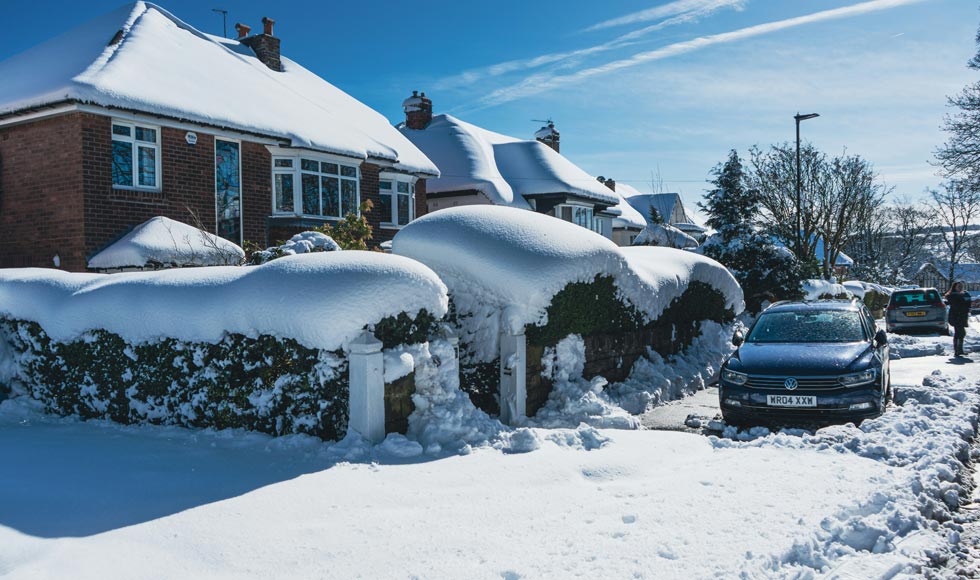
Energy bills remain a major concern for millions of households, with many older people particularly worried about the cost of keeping their homes warm during the colder months.
While fully insulating a property can significantly reduce heat loss, major improvements can be expensive and take time to arrange. The good news is that there are plenty of smaller, affordable jobs that can help prevent heat escaping and make your home feel warmer.
How heat escapes from your home
A poorly insulated home can lose a significant amount of heat through its roof, walls and floors. This is why home insulation and draught-proofing can make such a noticeable difference to both comfort and energy use.
Loft insulation is one of the most effective ways to reduce heat loss, but accessing a loft and arranging the work isn’t always straightforward. Fortunately, there are several other improvements that can be carried out around the home.
Low-cost improvements you can make now to keep your home warm
Insulating exposed hot water pipes is one of the easiest places to start. Foam pipe lagging is inexpensive, usually costing around £1-£3 per metre, and can help reduce heat loss from hot water pipes. Most products have a pre-cut opening that allows them to be fitted around the pipe.
Radiator reflector panels are another affordable option. At around £5-£10 each, they can help direct heat back into the room rather than allowing it to escape through an external wall. They are particularly useful for radiators positioned against outside walls.
If you have a hot water cylinder, fitting an 80mm insulation jacket can also reduce heat loss. These jackets are widely available from DIY stores and are relatively simple to install.
Draught-proofing is another inexpensive way to make rooms feel warmer. Draught excluders and self-adhesive foam strips can be used around older windows and internal doors to reduce unwanted cold air entering the home.
When applying adhesive draught-proofing strips, avoid stretching them as you fit them. Doing so can reduce their effectiveness once the material contracts again.
Make sure your heating system is working efficiently
Radiators that aren’t heating properly can make it tempting to turn up the thermostat, potentially increasing energy use unnecessarily.
If a radiator is warm at the bottom but cold at the top, trapped air could be preventing it from heating evenly. Bleeding the radiator releases this trapped air and allows hot water to circulate properly.
A radiator key is inexpensive, and there are many step-by-step instructions available online. Make sure the heating system is switched off and the radiator has cooled before carrying out the work.
It’s also worth checking the pressure on your boiler. Many modern combi and system boilers operate at around 1-2 bar when cold, although the correct pressure varies between models. Always check the manufacturer’s instructions before adjusting.
If the pressure is too low, the boiler may not operate as intended. Some systems can be repressurised using a filling loop, but anything beyond this basic procedure should be handled by a suitably qualified heating engineer.
Consider support for larger insulation improvements
Larger improvements such as loft, internal wall insulation or external wall insulation, can have a much greater long-term impact on energy efficiency, although the initial cost can be higher. Government-backed support may be available depending on where you live and your circumstances.
Schemes such as the Warm Homes Plan can provide support for eligible households. While many energy schemes have been limited to specific regions in the past, this isn’t the case with the Warm Homes Plan.
The UK Government has made specific allocations from the £15 billion budget for Scotland, Wales and Northern Ireland. This ensures that homes across the entire of the UK will benefit.
Some organisations can also help eligible households access funding for improvements such as loft insulation, room-in-roof insulation, and central heating upgrades with energy efficient boilers.
How to find a reliable tradesperson
If you decide to have insulation or heating work carried out, choosing a reputable tradesperson is important.
Online reviews can be useful, but they shouldn’t be the only thing you consider. Where possible, ask for examples of previous work or recommendations from people who have used the company.
Companies House can also provide useful information about a business, including how long it has been trading.
Check that the tradesperson has the appropriate qualifications and accreditations, and look for membership of recognised professional or trade organisations where relevant. Personal recommendations from friends, neighbours and colleagues can also be valuable.
A tradesperson who is available immediately isn’t necessarily a problem, but reputable contractors can often be busy, particularly during periods of high demand.
For gas-related work, always make sure the engineer is registered with Gas Safe and is qualified to carry out the specific work required. Electrical work should likewise be carried out by an appropriately qualified professional.
Comparison and recommendation websites can help you create a shortlist, but it’s still important to carry out your own checks before hiring anyone.
Small steps can make a difference
Keeping a home warm doesn’t always require a major renovation or expensive insulation project.
Simple measures such as insulating hot water pipes, fitting radiator reflector panels, reducing draughts, bleeding radiators and checking boiler pressure can all help improve comfort and reduce unnecessary heat loss.
For bigger improvements, investigate any grants or assistance you may be eligible for and take time to find a properly qualified and reputable tradesperson.
A combination of small improvements and sensible heating-system maintenance can make your home more comfortable throughout the colder months while helping you get more from the energy you pay for.
If you’re interested in upgrading your home’s insulation, contact us to discuss your options and find out how you could make your home warmer and more energy efficient.