

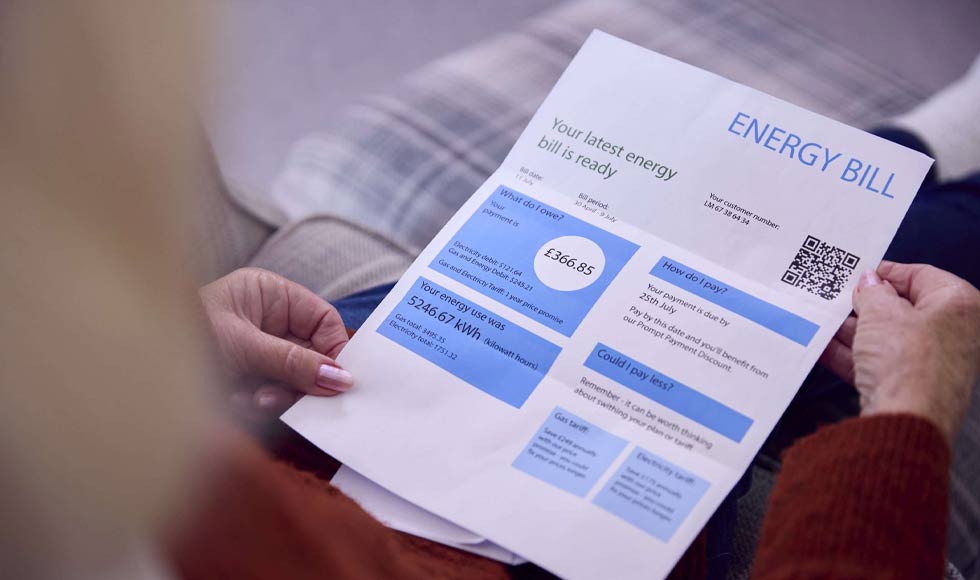
Households across Great Britain are expected to face a significant increase in energy costs this summer after the national energy price cap was raised by 13%, marking the largest summer increase in four years.
The revised cap, set by the country’s energy regulator, determines the maximum rates suppliers can charge for gas and electricity. The calculation is based on factors including wholesale energy prices, network costs, and standing charges. Recent increases in global energy prices have been a major factor behind the latest adjustment.
From July through September, the typical annual dual-fuel bill is expected to rise to £1,862, compared with £1,641 during the previous quarter. The increase has been linked largely to higher energy market costs resulting from conflict in the Middle East, particularly disruptions associated with the war involving Iran.
The UK government has indicated that reducing tensions in the region is important for stabilising global oil and gas markets. Ministers have also argued that expanding domestic renewable energy, such as solar panels and heat pumps, would help reduce long-term exposure to international energy price shocks.
Under the new cap, electricity prices for customers paying by direct debit will increase from 24.67p to 26.11p per kilowatt hour, while gas prices will rise from 5.74p to 7.33p per kilowatt hour.
For the average household, the revised cap represents an increase of approximately £18 per month, or £221 annually. Although considerably below the record levels seen during the energy crisis, it is the highest cap level since early 2024. During the peak of the crisis in 2023, the cap exceeded £4,000 annually, though government support measures limited what most households actually paid.
The regulator has also updated its estimate of typical household energy consumption after two relatively mild winters led to lower usage levels. Officials stated that while consumption assumptions have changed, the methodology used to calculate the cap remains unchanged.
The conflict involving Iran has created major disruptions in global energy supplies by affecting oil and gas exports from the Gulf region. European gas prices have risen sharply compared with pre-crisis levels and remain significantly higher than they were before Russian gas exports to Europe declined following the invasion of Ukraine.
According to the regulator’s leadership, the latest increase is primarily the result of higher international gas prices linked to instability in the Middle East.
While consumers are expected to feel the impact during the summer months, analysts warn that the greatest pressure may come later in the year when household energy consumption typically rises. Future changes to the cap, including the next review scheduled for October, are expected to depend heavily on developments in the Middle East and the recovery of global energy markets.
Officials have suggested that current market conditions appear more persistent than initially anticipated, raising concerns that elevated energy prices could continue into the winter.
Oil prices showed signs of easing after reports indicated that Iran was working to restore commercial shipping activity through the Strait of Hormuz. Brent crude briefly fell below $95 per barrel following indications that shipping volumes could return to pre-conflict levels within a month.
The increase in energy bills is also expected to worsen the financial strain already faced by many households. Energy debt has reached record levels since the European gas crisis triggered by Russia’s invasion of Ukraine.
Recent official figures show unpaid energy bills have climbed to approximately £4.5 billion. Part of these costs is recovered through charges applied to other consumers’ bills, adding around £52 annually to the average household’s energy costs.
Energy industry officials have encouraged consumers to consider preparing for potentially higher winter bills. Fixed-price tariffs may offer protection if prices continue to rise, although customers could miss out on savings if market conditions improve. Current forecasts suggest prices are likely to remain elevated, though not necessarily at the extreme levels experienced during the height of the Russia-Ukraine energy crisis.
If you’d like to find out more about how you can reduce your energy bills, contact us today!