

Improving energy efficiency has become a priority for businesses across the UK. Rising energy costs, increasing environmental expectations, and evolving regulations mean that understanding how efficiently a building operates is more important than ever.
One of the most important tools for assessing a property’s energy performance is the Energy Performance Certificate, commonly known as an EPC. Whether you’re a business owner, landlord, or tenant, knowing what an EPC is and why it matters can help you make informed decisions that benefit both your finances and your sustainability goals.
Understanding Energy Performance Certificates
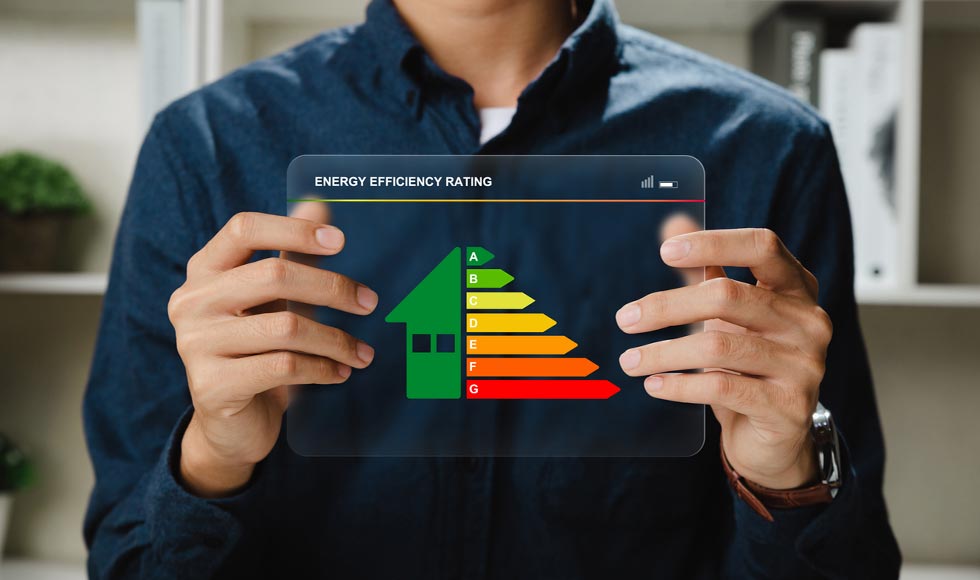
An Energy Performance Certificate provides an assessment of a building’s energy efficiency. Properties are graded on a scale from A to G, with A representing the highest level of efficiency and G indicating the poorest performance.
For commercial buildings, EPCs are required by law when a property is constructed, sold, or leased. Assessments are carried out by qualified energy assessors, and the resulting certificate remains valid for ten years.
In addition to providing an efficiency rating, an EPC includes practical recommendations for improving a building’s performance. These may include measures such as upgrading insulation, replacing inefficient lighting, improving heating systems, or introducing smarter energy controls. The report also estimates the potential energy and cost savings associated with each recommendation.
Why EPC ratings are important for businesses
Regulatory compliance and Minimum Energy Efficiency Standards (MEES)
One of the primary reasons businesses should pay attention to their EPC rating is legal compliance. Under current Minimum Energy Efficiency Standards (MEES), commercial properties with very poor energy ratings may face restrictions when being let to tenants.
Regulatory requirements are expected to become more demanding in the coming years. Proposed legislation could require commercial properties to achieve significantly higher EPC ratings before they can be leased, meaning businesses and property owners who delay improvements may face increased costs and compliance challenges later.
Lower operating costs
Energy efficiency and business profitability often go hand in hand. Buildings with poor EPC ratings frequently suffer from issues such as heat loss, inefficient equipment, outdated lighting, and underperforming heating or cooling systems.
These inefficiencies increase energy consumption and drive up utility bills. By implementing the improvements identified within an EPC report, businesses can often reduce energy usage, lower operating expenses, and improve long-term financial performance.
Strengthening sustainability credentials
Customers, investors, and business partners are paying closer attention to environmental performance than ever before. A strong EPC rating demonstrates a commitment to responsible energy management and can help strengthen a company’s sustainability profile.
For organisations seeking to improve their environmental, social, and governance (ESG) performance, energy-efficient premises can provide tangible evidence of progress and support broader sustainability objectives.
How to get started
The first step is to determine whether your property already has a valid EPC. Existing certificates can be checked through the government’s EPC register.
If your certificate has expired or your building has never been assessed, arranging a new EPC inspection is a straightforward process through an accredited assessor.
Once you have your report, review the recommended improvements and prioritise those that offer the greatest return on investment. Many common upgrades include LED lighting, solar panels, improved insulation, and modern heating controls. These measures can deliver noticeable savings within a relatively short timeframe.
Businesses can also access guidance from industry organisations and sustainability bodies that provide practical advice on reducing energy consumption and improving building performance.
Looking beyond compliance and Minimum Energy Efficiency Standards (MEES)
An EPC should not be viewed solely as a regulatory requirement. It offers valuable insight into how efficiently a building uses energy and highlights opportunities to reduce waste, cut costs, and improve environmental performance.
As the UK moves towards a lower-carbon economy, businesses that invest in energy efficiency today are likely to be better positioned for future regulations, rising energy prices, and changing customer expectations.
Understanding your EPC rating is a simple but important step towards building a more efficient, resilient, and sustainable business.