

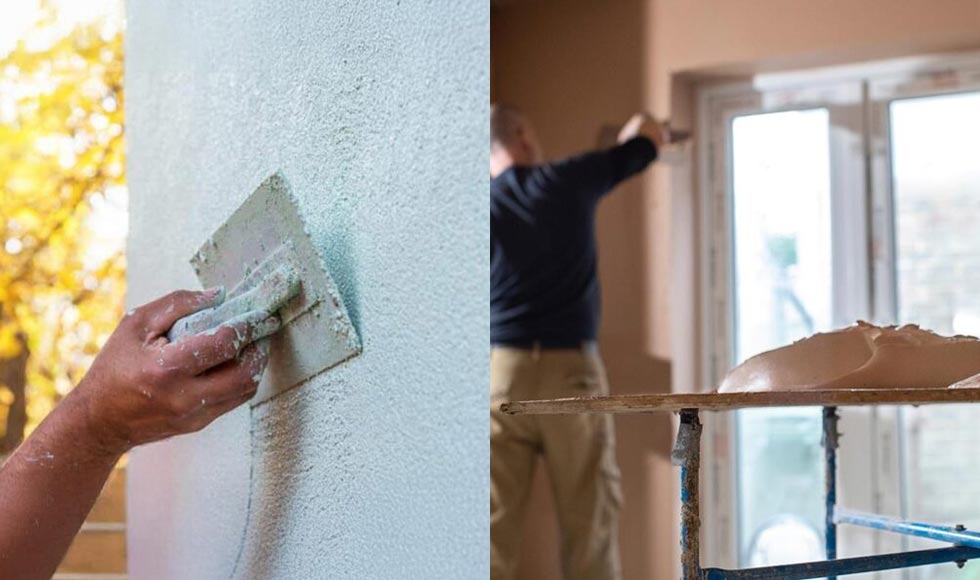
Improving the insulation of your home can make a noticeable difference to comfort, energy efficiency and heating costs. For properties with solid walls, two of the main options are external wall insulation (EWI) and internal wall insulation (IWI).
Both methods can improve the thermal performance of a property, but they work in very different ways. The right choice will depend on the type and age of your home, the condition of the existing walls, your budget and whether you are prepared to alter the inside or outside of the property.
What is external wall insulation?
External wall insulation involves installing a layer of insulation to the outside of your property’s existing walls. The insulation is generally fixed to the external wall and then covered with a protective render or another suitable finish. This creates a continuous layer of insulation around the outside of the building, helping to reduce heat loss through the walls.
Pros of external wall insulation
1. Excellent thermal performance
One of the biggest advantages of EWI is its ability to provide a continuous layer of insulation. This can reduce areas of thermal bridging and help improve the overall thermal efficiency of the building. A well-designed system can help keep heat inside during winter while also helping the property remain cooler during warmer weather.
2. No loss of internal floor space
Because the insulation is installed externally, you don’t lose valuable space inside your rooms. This can be particularly important in smaller UK properties where every centimetre of floor area matters.
3. Minimal disruption inside the home
EWI is installed from the outside, meaning there is generally less need to remove internal finishes, redecorate rooms or move furniture around during installation. There will still be some disruption externally, including scaffolding and work around windows, doors and other features, but your day-to-day living space can remain largely untouched.
4. Can improve the appearance of the property
External insulation systems can be finished with different render options, allowing homeowners to refresh the appearance of an older property at the same time as improving its thermal performance. For some properties, this can provide an opportunity to repair or modernise tired external walls.
Cons of external wall insulation
1. Higher upfront cost
EWI can be more expensive than some internal insulation solutions because it involves additional materials, external preparation, scaffolding and finishing work. The overall cost will depend on the size and condition of the property and the system being installed.
2. Changes to the external appearance
Adding insulation and a new finish will change the appearance of the outside of the property. Planning requirements can also be relevant, particularly where a property is in a conservation area or has other restrictions. It’s important to establish whether planning permission or other approvals are required before work begins.
3. More dependent on external conditions
External installation is affected by weather conditions. Rain, cold temperatures and other adverse weather can influence when certain stages of the work can be carried out.
What is internal wall insulation?
Internal wall insulation is installed on the inside face of an external wall. Depending on the system, this may involve fitting insulation boards or constructing an insulated lining system before applying plasterboard or another internal finish. IWI can be particularly useful where external insulation isn’t practical or where homeowners want to retain the existing external appearance of their property.
Pros of internal wall insulation
1. Usually no change to the external appearance
One of the main benefits of IWI is that the insulation is installed inside the property. This means the external brickwork or render can remain unchanged. This can be useful for period properties, properties with attractive brickwork or homes where external alterations may be restricted.
2. Can be installed on a room-by-room basis
Internal insulation can potentially be installed in stages rather than completing the entire property at once. For example, a homeowner may choose to insulate particular rooms during renovation work. This can make the project easier to manage depending on the circumstances.
3. Can improve the thermal comfort of individual rooms
Once installed correctly, IWI can make internal wall surfaces warmer and reduce the feeling of cold walls. This can contribute to a more comfortable home, particularly during the colder UK months.
Cons of internal wall insulation
1. Reduces internal room space
The insulation system takes up some space inside the property. While the amount varies depending on the system and insulation thickness, this can be an important consideration in smaller rooms.
2. More disruption to the interior
Installing IWI can involve removing or working around skirting boards, radiators, electrical sockets and other fixtures. Existing wall finishes may also need to be altered. This means rooms can require more preparation and redecoration once the insulation work is complete.
3. Thermal bridging can be more difficult to deal with
Unlike a continuous external insulation system, internal insulation can leave areas where heat loss occurs around junctions, corners, floors, ceilings and openings if the system isn’t carefully designed. This is why proper detailing and professional installation are particularly important.
4. Moisture needs careful consideration
Solid-wall properties can behave differently from modern cavity-wall construction. Installing insulation internally can alter how heat and moisture move through the wall. The existing wall, its exposure to weather and its condition should therefore be assessed before selecting an IWI system. Appropriate materials and detailing are important to help manage moisture and condensation risks.
Should you choose external or internal wall insulation
There isn’t a single answer that applies to every UK property.
External wall insulation may be suitable if:
- You want to improve the thermal performance of the whole property.
- You don’t want to lose internal floor space.
- You are happy to change or refresh the external appearance.
- You want to minimise disruption to the inside of your home.
- The external walls are suitable for an insulation system.
Internal wall insulation may be suitable if:
- You want to retain the existing external appearance.
- External alterations aren’t practical or desirable.
- You’re renovating rooms internally.
- You are prepared to sacrifice some internal wall space.
- The property requires a solution that can be installed internally.
For either approach, the existing construction and condition of the walls should be considered before work begins. Older UK homes, particularly those with solid masonry walls, may require a different approach from newer properties.
Getting the right advice on insulation
Wall insulation is not simply a case of choosing the thickest insulation available. The construction of the building, existing materials, ventilation, moisture movement, windows, doors and junctions can all affect the performance of the finished system. A properly designed and installed system can help improve comfort and reduce heat loss, while an unsuitable approach can create avoidable problems.
At DJB Installs, we can help homeowners understand the options available for their property and identify the best type of insulation to suit the building and requirements. Whether you’re considering external wall insulation or internal wall insulation, getting professional advice before committing to the work can help you understand the likely costs, disruption and potential benefits.
Thinking about insulating your home?
If you’re looking to improve the energy efficiency and comfort of your property, DJB Installs can help you explore your insulation options. Contact us today to discuss your property and find out whether external or internal wall insulation could be suitable for your home.