

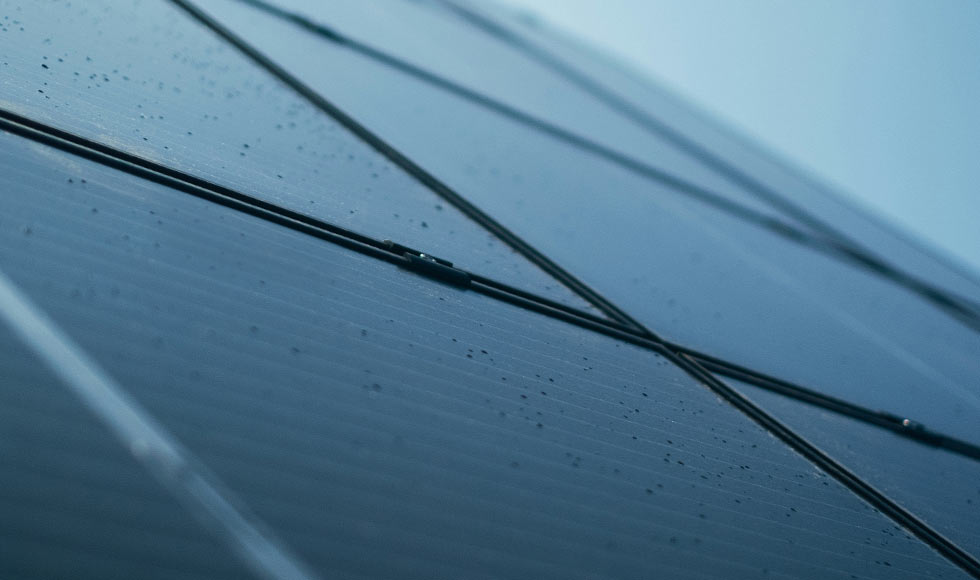
Solar panels are designed to provide clean, renewable electricity for many years, making them one of the longest-lasting home energy improvements available. With today’s advanced technology, homeowners can expect decades of reliable performance, helping to reduce electricity bills and increase energy independence.
If you’re considering solar panels or already have a system installed, here’s what you need to know about their lifespan, warranties and how to keep them performing at their best.
How long do solar panels last?
Most modern solar panels are built to last between 25 and 30 years, with many continuing to generate electricity well beyond this period. Rather than reaching a point where they stop working, solar panels continue producing power for many years, delivering dependable renewable energy throughout their lifetime. High-quality manufacturing, professional installation and suitable roof conditions all contribute to long-lasting performance. With minimal maintenance, a solar panel system can provide reliable electricity for decades.
What affects the lifespan of solar panels?
Several factors help determine how long a solar panel system performs efficiently, including:
- The quality of the solar panels
- Professional installation
- Local weather conditions
- Regular system checks
- The quality of supporting components, such as the inverter
The UK’s climate is well suited to solar panels, with moderate temperatures helping systems perform efficiently throughout the year.
Solar panel warranties explained
Most manufacturers provide two types of warranty:
Product warranty
This covers manufacturing defects and workmanship, giving homeowners confidence in the quality of their panels.
Performance warranty
A performance warranty guarantees that your solar panels will continue producing a high percentage of their original output over many years. Many leading manufacturers offer performance warranties of 25 to 30 years, demonstrating the long-term reliability of modern solar technology.
The role of the solar inverter
Alongside the panels themselves, every solar PV system includes an inverter. This converts the electricity generated by your panels into usable electricity for your home. Modern inverters are highly reliable and many include smart monitoring features that allow homeowners to track system performance through a mobile app or online portal. If required, the inverter can be replaced independently without replacing the solar panels, helping to keep your system operating efficiently for many years.
Solar panel efficiency over time
Solar technology has advanced significantly over recent decades. Today’s panels are more efficient than ever, allowing homeowners to generate more electricity from the same amount of roof space. Manufacturers design panels to provide consistent long-term performance, making solar energy a dependable investment for homes across the UK.
Getting the most from your solar panels
A few simple steps can help maximise the performance of your solar panel system:
- Have your system installed by an accredited installer
- Monitor energy generation using your inverter or monitoring app
- Keep surrounding trees trimmed to minimise shading
- Arrange occasional inspections if recommended by your installer
- Ensure your roof remains in good condition
With very little ongoing maintenance, solar panels continue generating renewable electricity year after year.
How can you check your solar panels are performing well?
Most modern systems include performance monitoring, making it easy to see how much electricity your panels are generating each day. Monitoring apps provide real-time information on energy production, allowing you to track seasonal performance and see how much renewable energy your home is producing.
What happens after 30 years?
Many solar panel systems continue generating electricity after 30 years of service. As technology continues to improve, some homeowners choose to upgrade their systems to benefit from higher-efficiency panels, although existing systems can continue providing clean energy for many years. If you’re considering an upgrade, a qualified installer can assess your existing system and recommend the most suitable option for your property.
Can solar panels be recycled?
Yes. Solar panels are recyclable, and many of the materials used in their construction, including glass, aluminium and silicon, can be recovered and reused. When replacing or upgrading a system, your installer can advise on the appropriate recycling process, ensuring panels are handled responsibly.
Should solar panels be insured?
Most home insurance providers include roof-mounted solar panels as part of standard buildings insurance, although it’s always worth confirming this with your insurer. Insurance provides additional peace of mind by protecting your investment against unexpected events, while manufacturer warranties continue to cover the quality and long-term performance of the panels themselves.
Should you install solar panels?
Solar panels are built to deliver reliable renewable energy for decades, making them an excellent long-term investment for UK homeowners. With high-quality equipment, professional installation and straightforward maintenance, a solar PV system can provide clean electricity and long-lasting savings for many years.
Whether you’re planning your first installation or looking after an existing system, understanding how solar panels perform over time helps you make the most of your investment.
If you’re looking to install solar panels, or you’re considering an upgrade, get in touch today.