

If you own, lease, or manage commercial property, you’ve probably heard of MEES. But what exactly is it, and why should it matter to you?
The Minimum Energy Efficiency Standards (MEES) are regulations designed to improve the energy performance of buildings across the UK. They affect both landlords and business owners, with significant implications for property values, rental income, operating costs, and legal compliance.
What is Minimum Energy Efficiency Standards (MEES)?
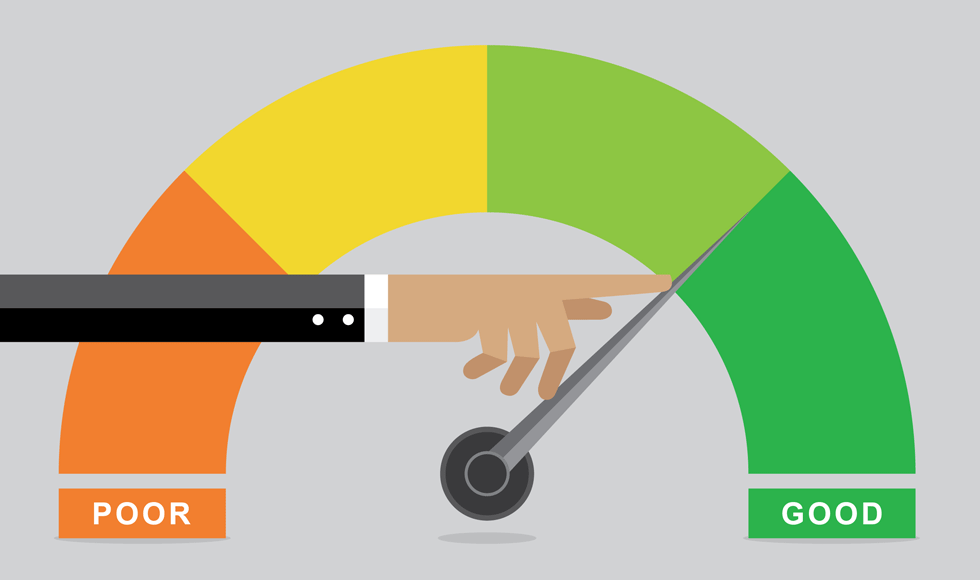
MEES legislation sets the minimum energy efficiency standard that properties must meet before they can be legally let. This standard is measured using an Energy Performance Certificate (EPC).
Currently, most rented commercial properties in England and Wales must have an EPC rating of E or above unless a valid exemption has been registered.
The aim is simple: reduce carbon emissions, improve building efficiency, and lower energy costs for occupiers.
Why should landlords care about MEES?
For landlords, MEES isn’t just another regulation, it’s a business issue.
A property with a poor EPC rating can become difficult, or even impossible, to let legally if it doesn’t meet the required standard.
This can lead to:
- Lost rental income
- Reduced property value
- Difficulty attracting tenants
- Potential financial penalties for non-compliance
- Increased pressure to invest in energy improvements
Rather than waiting until a lease renewal or new tenancy, many landlords are now taking a proactive approach by assessing their buildings and planning upgrades well in advance.
What does MEES mean for business owners?
Even if you don’t own your premises, MEES can still affect your business.
Energy-efficient buildings typically offer:
- Lower utility bills
- Improved comfort for staff and customers
- Better environmental credentials
- Reduced maintenance costs
- Greater resilience against rising energy prices
Businesses looking to lease new premises may also find that properties with stronger EPC ratings are becoming increasingly attractive as sustainability becomes part of corporate strategy.
Planning ahead
While the current minimum standard remains an EPC rating of E for most commercial lettings, there has been ongoing discussion around increasing minimum standards in future as the UK works towards its net zero targets.
Although proposed changes have evolved over time, the one thing that remains clear is energy efficiency is becoming an increasingly important factor in commercial property decisions.
Property owners who improve their buildings now are often better positioned for future regulatory changes and can benefit from lower running costs, improved marketability, and increased tenant demand.
How can you improve your EPC rating?
Improving a building’s energy performance doesn’t always require major refurbishment.
Common improvements include installing renewable technologies such as commercial solar panels or heat pumps, upgrading building insulation, and simple changes such as upgrading to LED lighting and smart heating controls.
The right solution depends on the building, its use, and its existing energy performance.
The value of professional advice
Every property is different. A professional energy assessment can help identify the most cost-effective improvements while ensuring compliance with current regulations.
Whether you’re a landlord planning future investments or a business owner looking to reduce operating costs, understanding your building’s energy performance is becoming an essential part of property management.
MEES is more than a compliance requirement, it’s an opportunity to improve building performance, reduce energy costs, and enhance the long-term value of commercial property.
By acting now, landlords can protect their investments, while businesses can benefit from more efficient, comfortable, and sustainable workplaces.
If you’re unsure how MEES affects your property or want advice on improving your EPC rating, speak to our qualified energy assessors who can help you understand your options and plan the most effective route forward.