

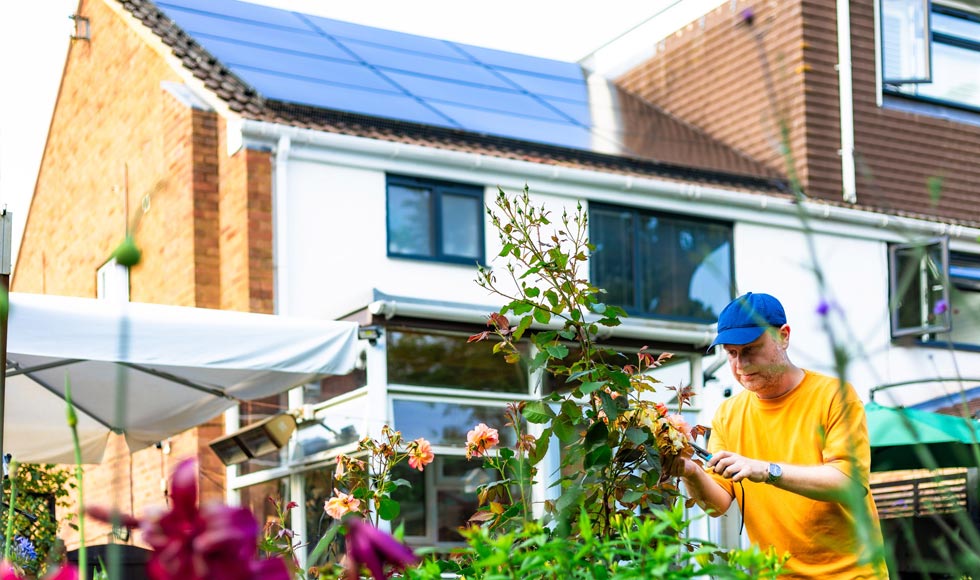
Demand for solar panels is climbing rapidly across the UK, as more households search for ways to manage rising energy bills and reduce their reliance on traditional energy sources.
Energy suppliers report a significant jump in installations, with sales increasing by around half since global tensions pushed oil and gas prices higher. Many homeowners are not only installing panels, but opting for larger systems to maximise savings.
Why more people are turning to solar
The recent spike in interest is being driven by a mix of economic pressure and technological progress. As wholesale energy prices remain volatile, households are looking for more control over their energy use, and solar is increasingly seen as a practical solution.
With the energy price cap expected to change again in the coming months, many are acting now to avoid further increases. Generating electricity at home offers a degree of protection from unpredictable global markets.
Cheaper systems, smarter technology
Installing solar panels has become far more affordable in recent years. Prices have dropped significantly since 2020, helped in part by a zero VAT policy on installations. As a result, solar is no longer seen as a niche investment.
Technology has also moved on. A growing number of households are adding battery storage, allowing them to store unused electricity for later use, particularly during evenings or periods of low sunlight. While batteries still add to the upfront cost, they are gradually becoming more accessible.
Adoption isn’t uniform across the country, however, with the south west of England currently leading the way.
Weighing up the benefits and drawbacks
Solar panels can deliver clear advantages, but they won’t suit every property or household.
Advantages
- Reduced bills: Many households see savings of over half on their electricity costs
- More stability: Less exposure to rising energy prices
- Quicker returns: Lower installation costs mean faster payback times
- Greener energy: Cuts reliance on fossil fuels and lowers emissions
Challenges
- Initial expense: Systems typically start at around £6,000, with batteries costing extra
- Seasonal performance: Output drops during darker winter months
- Price uncertainty: Equipment costs could rise due to supply chain pressures
- Variable savings: Results depend on usage, system size and tariff
- Policy changes: Future government decisions could affect returns
Financial support and incentives
There are several schemes designed to make solar more affordable:
- Warm Homes Plan: The Warm Homes Plan offers fully funded upgrades, including solar panels, for eligible low-income households living in less efficient properties.
- Smart Export Guarantee (SEG): The Smart Export Guarantee allows homeowners to earn money by selling unused electricity back to the grid.
A growing shift toward energy independence
As energy prices remain uncertain, more UK households are seeing solar power as a long-term investment rather than a luxury. With costs falling and new technologies emerging, the move toward generating electricity at home looks set to continue.
At DJB Installs, we support homeowners at every stage, from bespoke system design through to installation and final handover. We hold all the necessary accreditations, including EPVS, MCS and HIES, giving you complete peace of mind. If you’re looking to reduce your energy bills, get in touch today.